Most people think of surge protection as the power strip behind the TV. Those strips help, but they only protect what’s plugged into them. A whole-home surge protector works at your electrical panel and helps guard everything in the house that runs on electricity, from the furnace to the refrigerator. Here’s what Catonsville, Ellicott City and Columbia homeowners should know.
What Is a Power Surge?
A power surge is a brief spike in voltage, well above the normal level your wiring and appliances are built for. It may last only a fraction of a second, but that can be enough to damage sensitive electronics or slowly wear them down over time.
Surges come from two places:
- Outside the home: lightning strikes nearby, utility switching, downed lines and power coming back on after an outage.
- Inside the home: large appliances with motors and compressors, like air conditioners, heat pumps, well pumps and refrigerators, cycling on and off.
The big, dramatic surges get the attention, but the smaller everyday ones from inside the house are far more frequent and can shorten the life of your equipment without you noticing.
Why Today’s Homes Need More Protection
Twenty or thirty years ago, the most delicate thing in many homes was the television. Today almost everything has a circuit board: furnaces, heat pumps, washers, dryers, dishwashers, ranges, garage door openers, smart thermostats, security systems, Wi-Fi routers and EV chargers. These electronics are convenient, but they are also more sensitive to voltage spikes, and many are expensive to repair or replace.
Plug-in surge strips can’t protect hard-wired equipment like your HVAC system, water heater controls or an EV charger. That’s where whole-home protection comes in.
How a Whole-Home Surge Protector Works
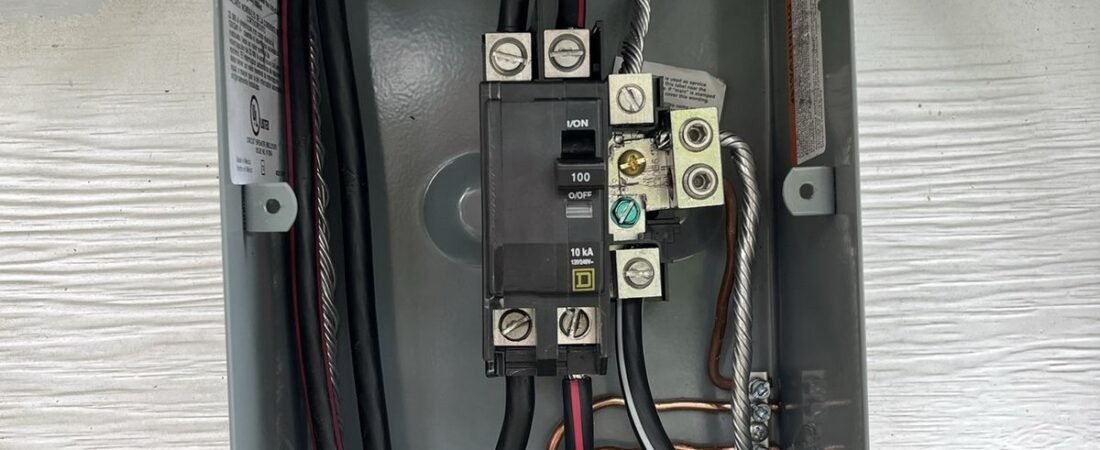
A whole-home surge protective device (often called an SPD) is installed at or next to your main electrical panel. When it senses voltage above a safe level, it diverts the extra energy to ground before it travels through your branch circuits to your appliances.
It’s best thought of as the first layer of a layered approach:
- At the panel: a whole-home device handles surges coming in from the utility and helps limit surges traveling between circuits.
- At the outlet: quality plug-in surge strips still make sense for computers, TVs and home office equipment.
Used together, the two give your home much better coverage than either one alone.
Signs Your Home Could Benefit From Surge Protection
Every home can benefit, but it’s especially worth considering if:
- Lights flicker or dim when the air conditioner, heat pump or another large appliance kicks on.
- Electronics or appliance control boards have failed sooner than expected.
- Your power goes out during storms and comes back with a jolt.
- You’ve recently added expensive equipment, like a new HVAC system, smart appliances or an EV charger.
- You’re planning a panel upgrade or other electrical work, which is a convenient time to add protection.
Surge Protection and Your Electrical Panel
A surge protector is only as good as the system it’s connected to. It depends on a solid grounding and bonding system and a panel in good condition. If your panel is old, overloaded or showing signs of wear, it may make sense to address that first. Our panel upgrade service is a good place to start, and many homeowners choose to add whole-home surge protection at the same time.
When we install a surge protector, we also check the grounding, look over the panel and make sure the device is properly sized and connected for your home.
Why This Is a Job for a Licensed Electrician
Installing a whole-home surge protector means working inside your main electrical panel, where some parts stay energized even with the main breaker off. This is not a do-it-yourself project. Panel work in Baltimore County and Howard County generally requires a permit and inspection, and a licensed electrician will handle that process for you.
Correct installation matters, too. Wire length, connection points and grounding all affect how well the device performs. A poorly installed surge protector may offer far less protection than you expect.
Simple Habits That Help
Along with whole-home protection, a few easy habits help protect your electronics:
- Use quality plug-in surge strips for computers and entertainment equipment, and replace them when they show they’re no longer protecting.
- During a power outage, turn off or unplug sensitive electronics so they aren’t hit when power is restored.
- Pay attention to flickering lights or breakers that trip often, and have them checked.
Protect Your Home With JJ Palmer Electrical Service
JJ Palmer Electrical Service is a licensed electrical contractor serving Catonsville, Ellicott City, Columbia and the surrounding areas of Baltimore County and Howard County. Owner John Palmer is a Maryland Statewide Master Electrician (#12441) and has worked in the electrical trade since 1978. See our full list of electrical services.
If you’d like to talk about whole-home surge protection or have your panel checked, call us at (443) 986-1000, Monday through Friday, 9 to 5, or contact us online.